English Language Magazines in Japan - Part 2

This week's Lifelines column is a follow-up to the May 17 column about English-language magazines in Japan, Print is suffering, but English readers have never had it so good.

May 31 Lifelines (Part 2):

English magazines run gamut from poetry to prose, Kanto to Chubu


Thanks for all the additional suggestions, (you're mentioned in the article above) and if you find any missing from either list, please let me know! 


Pregnant in Japan: Diet, Nutrition and Weight Gain

This is part 3 of the "Pregnant in Japan" series. The first two parts cover pregnancy resources and how to find a doctor, midwife or hospital in Japan.
Yes, there are some differences between Japan and western countries (and likely, many countries in general) in diet, nutrition and weight gain during pregnancy. I am mostly familiar with common standards in the US (from research), so feel free to share what may be different or the same in your home country. The information here is what I've found both online and in the pile of pamphlets and information the health center gave to us when we registered my pregnancy.

The topics covered in this post include:

Nutrition/Diet "Balance" Guide
Caloric Intake
Foods to Avoid
Fish to Avoid/Limit
Limit Salt
Weight Gain
Prenatal Supplements

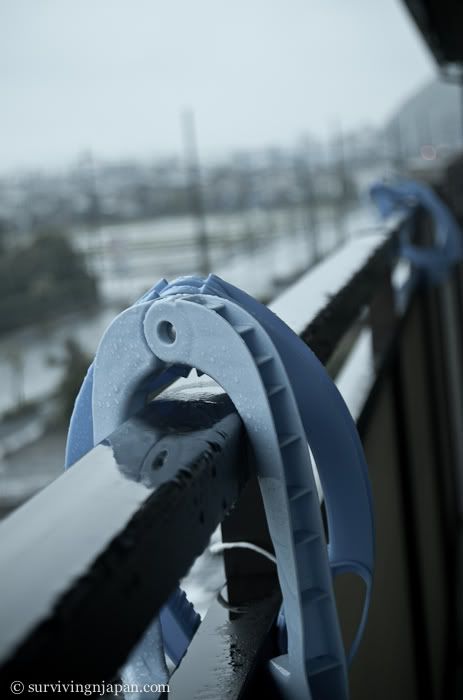
40 + 5 more ways to survive the rainy season in Japan

The rainy season (梅雨, つゆ) has arrived.

Bleak, gray, rainy season, or 梅雨
Apparently beginning 12 days earlier than last year in central Japan, according to tenki.jp, and also earlier than normal in southern Japan as well. Though it doesn’t feel all that humid yet. I typically associate the rainy season with tropical jungle-like humidity that makes you feel like you’re living in a sauna.

Don’t be fooled though - it will likely sneak up on us before we know it. For now, my pregnant self will enjoy the moderate temperatures and bearable humidity levels.

5 ways to survive working for an Eikaiwa (Conversation School)

For those who may come to Japan to work for an English conversation school, or "eikaiwa," here are some tips to be aware of from someone who worked for an eikaiwa for a few years. This guest post is written by Ali of Haikugirl's Japan - a fun, frequently updated blog covering all things Japan: travel, food, daily life, and much, much more. Definitely worth a browse! - Ashley


1. Learn some Japanese

When you apply for the job, they will most likely tell you that you don't need to know any Japanese at all. Indeed, the big companies will insist that you never speak Japanese while teaching or interacting with your students. However, what they will fail to mention is that your students will often speak Japanese to you. Sometimes your students just won't know how to express themselves in English (especially kids or low-level learners), and knowing a few key words in Japanese so that you can understand their question will really pay off. Learning a bit of Japanese will also help you build better business relationships with your co-workers and bosses. It's amazing how far an “otsukaresama desu” will go at the end of the day (“otsukaresama desu” is hard to translate, but it is commonly used as a sort of acknowledgment of someone's hard work, and can be said to your co-workers at the end of the day or after a class).